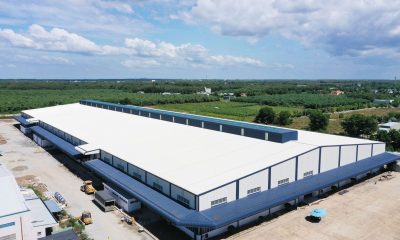

In today’s fast-changing global infrastructure and industrial development environment, material selection directly influences the durability and safety of built assets. Among all construction materials, steel remains the fundamental element of modern engineering systems. Structural steel continues to underpin contemporary construction due to its high strength, adaptability, and economic efficiency. As a result, selecting a reliable steel fabricator is a decisive factor in the success of any construction project.
From high-rise commercial complexes and large-scale logistics warehouses to sophisticated industrial facilities, the integrity of the steel framework determines overall project performance. This article explores the complete scope of steel fabrication, examines the technical processes involved, and explains why collaborating with a leading structural steel fabricator such as Pebsteel is a strategic decision for sustainable development.
1. The Scope of Work of a Professional Structural Steel Fabricator
Steel fabrication is often misunderstood as merely producing metal components. In professional construction practice, however, it represents a highly technical discipline that connects engineering design with physical execution.
A structural steel fabricator is responsible for the design interpretation, cutting, welding, and assembly of steel elements, transforming technical drawings into physical components that meet precise specifications. This process goes beyond simply joining steel pieces; it requires coordination and precision. A qualified steel fabricator manages raw material sourcing, supply chain logistics, precision machining, and quality verification to ensure the finished structure aligns with architectural and engineering intent.
At Pebsteel, this responsibility extends beyond manufacturing alone. The company operates as both consultant and partner, ensuring that every stage—from initial design development to final bolt installation—applies the safest and most efficient construction methodologies available.
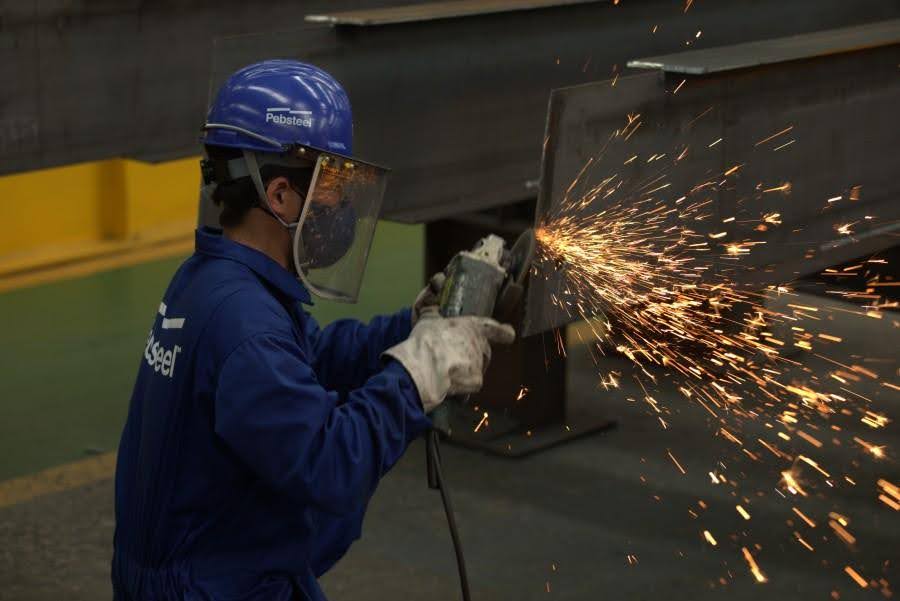
Pebsteel manufacturing durable steel components integrated into steel structures under construction
2. How Leading Steel Fabricators Achieve Manufacturing Accuracy
To fully understand the value delivered by a professional steel fabricator, it is necessary to recognise the complexity of the fabrication workflow. This process transforms raw steel materials—such as plates, beams, channels, and angles—into integrated structural systems through advanced production techniques.
2.1. Design Development and Detailing by the Fabricator
The fabrication process begins well before steel cutting starts. It originates in the design and detailing phase, where comprehensive drawings and specifications are developed to define dimensions, load paths, and structural requirements.
Modern fabrication heavily relies on Building Information Modelling (BIM). This technology enables coordinated design across disciplines and allows early identification of clashes. Through BIM, a structural steel fabricator can simulate the full steel structure, detect potential issues before fabrication, and ensure efficient and accurate site assembly.
2.2. Expertise in Material Selection
Selecting the appropriate steel grade is critical to structural performance. Key parameters such as tensile strength, yield strength, and compressive capacity must be evaluated to prevent structural failure.
Structural steel is produced in multiple grades, including ASTM A36, A572, and A992. A professional steel fabricator ensures that material selection aligns with structural demands and environmental exposure. This guarantees that the steel structure performs reliably under real operating conditions.
2.3. Precision Cutting Technologies in Steel Fabrication
After material selection, steel components must be cut with exact accuracy. Modern fabrication facilities employ a range of cutting technologies to achieve precise dimensions. Common methods include saw cutting, shearing, abrasive cutting, plasma cutting, oxy-fuel cutting, laser cutting, and waterjet cutting.
- Laser Cutting: Delivers extremely high precision using focused laser beams.
- Plasma Cutting: Uses ionised gas jets to efficiently cut thick steel plates.
- Waterjet Cutting: Suitable for applications where heat-affected zones must be avoided.
2.4. Welding and Structural Assembly Excellence
Joining processes are among the most critical stages in steel fabrication. Welding permanently bonds steel components through controlled heat or pressure. Widely used welding techniques include:
- SMAW (Shielded Metal Arc Welding): Highly flexible for on-site applications.
- GMAW (MIG Welding): Supports fast and consistent factory production.
- SAW (Submerged Arc Welding): Ideal for long-span beams, offering deep weld penetration and stable quality.
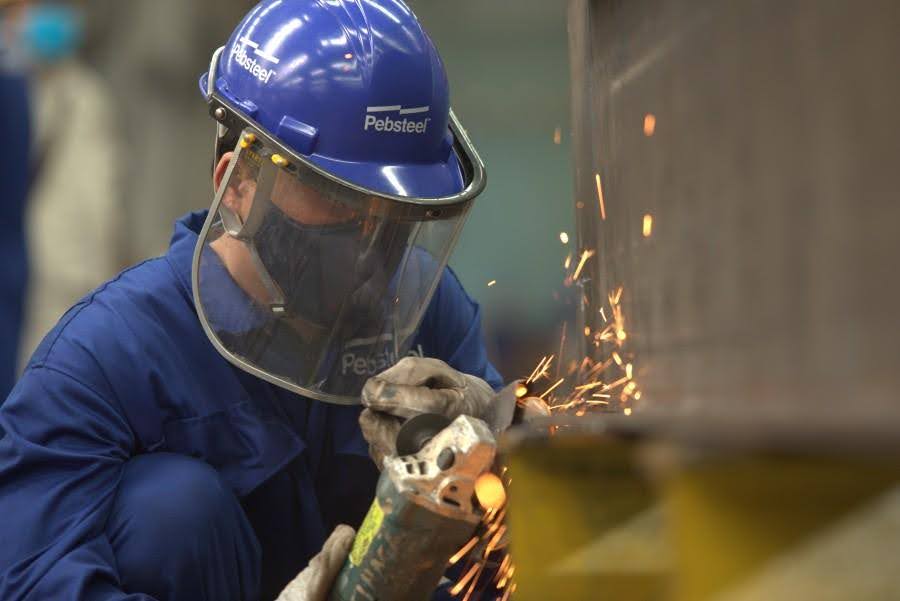
Leading steel fabricators achieve accuracy through specialised design, material selection, cutting, and welding processes
3. The Importance of Quality Control in Steel Fabrication
Accuracy and reliability are non-negotiable in construction. A reputable steel fabricator guarantees quality, adherence to schedules, and compliance with international standards. Conversely, selecting an inexperienced provider can lead to increased costs, reduced durability, and potential safety risks.
Fabricator Inspection and Verification Procedures
Quality Control (QC) is implemented continuously throughout fabrication. This includes visual inspections for surface defects and dimensional checks to confirm conformity with approved drawings.
Advanced structural steel fabricators also apply Non-Destructive Testing (NDT) techniques. Methods such as ultrasonic testing, magnetic particle inspection, and dye penetrant testing allow internal weld defects to be detected without damaging components, ensuring structural integrity is maintained.
Surface Preparation and Protective Treatments
Surface treatment involves cleaning and coating fabricated steel elements. Mechanical or chemical methods are used to remove rust, scale, and contaminants prior to coating.
Protective coatings serve more than an aesthetic purpose—they provide resistance against corrosion and environmental degradation. A competent steel fabricator offers solutions such as high-performance paint systems or hot-dip galvanising to ensure long-term durability.
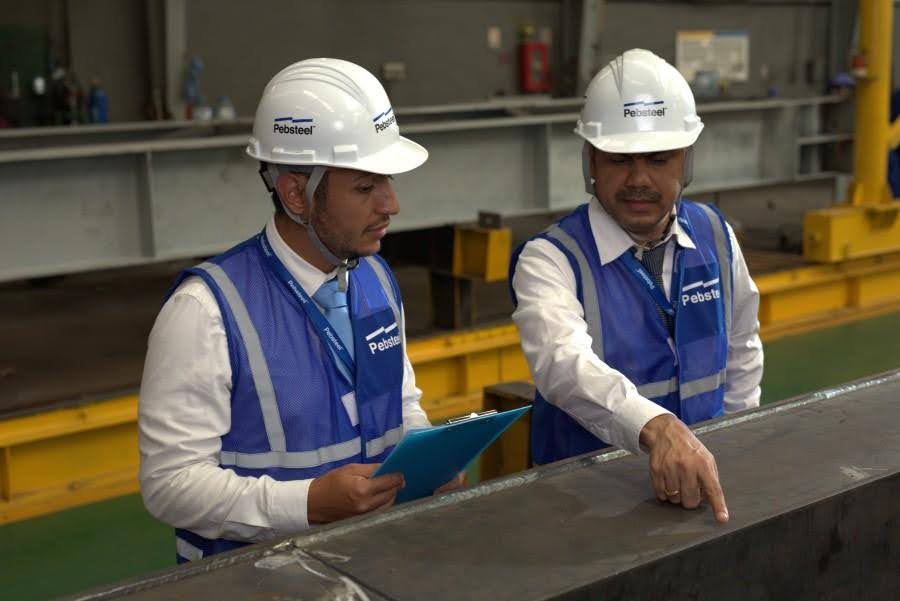
Effective quality control by a steel fabricator ensures all steel components are safe, long-lasting, and compliant with international standards
4. Customised Steel Structure Solutions Across Industries
One of steel’s greatest advantages is its adaptability. Steel structure systems can be engineered to meet diverse project requirements, ranging from industrial facilities to commercial developments. This flexibility enables cost optimisation, operational efficiency, and architectural freedom.
Structural Steel Versatility
Structural steel is widely used across industrial plants, logistics hubs, commercial buildings, and infrastructure projects. Its broad application highlights its reliability as a construction material.
- Industrial Facilities: Heavy-duty steel frames support power plants and refineries.
- Logistics Warehouses: Long clear spans without internal columns improve storage efficiency.
- Commercial Buildings: Steel reduces foundation loads in high-rise construction.
Pre-Engineered Building Systems
For many steel fabricators, Pre-Engineered Buildings (PEB) are a core service. These systems are manufactured in controlled factory environments and assembled on site using bolted connections. Compared to traditional on-site welding, this approach significantly shortens construction duration.
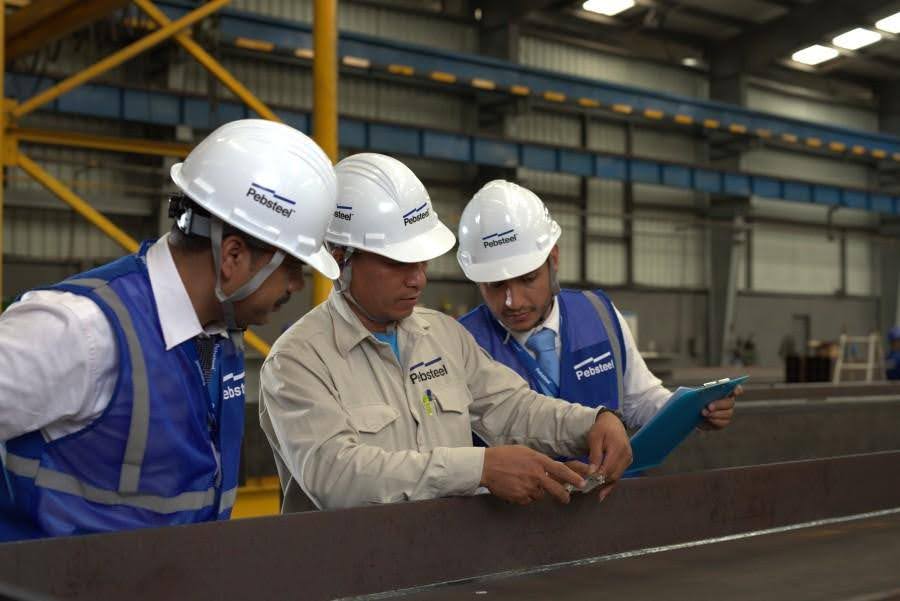
Steel fabricators deliver flexible, tailor-made solutions that support efficient and durable construction
5. Advantages of Working with a Trusted Structural Steel Fabricator
Investors and developers continuously seek optimal return on investment. A reliable steel fabricator contributes to cost savings, consistent quality, and reduced maintenance risks. Accelerated construction schedules further enhance project competitiveness.
Cost Control and Project Speed
Off-site steel fabrication enables parallel construction activities. While foundations are prepared on site, steel components are manufactured simultaneously in the factory. This integrated approach can shorten project timelines by 30–50%.
Sustainable Steel Fabrication Practices
Steel is one of the most environmentally sustainable construction materials. A large proportion of structural steel originates from recycled sources and can be reused indefinitely without losing strength. Partnering with an environmentally responsible steel fabricator supports green construction objectives.
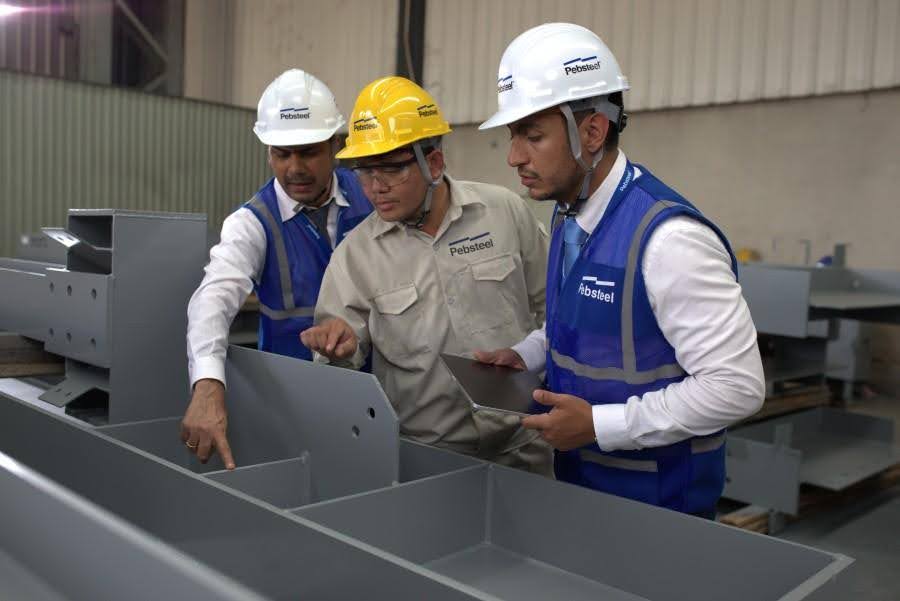
High-precision steel fabrication enables efficient material use, cost optimisation, and enhanced overall project performance
6. Selecting the Right Steel Fabricator for Your Project
With many fabrication providers available, choosing the right partner is critical. Evaluation should consider production capacity, technological capabilities, completed projects, and post-installation support. A high-quality steel fabricator delivers more than components—it provides end-to-end technical expertise.
Evaluating Fabrication Capacity
A dependable steel fabricator must scale production to meet project demands. This requires large fabrication facilities, automated CNC equipment, and efficient workflow systems. Pebsteel operates advanced manufacturing plants designed to handle large volumes with high accuracy, reinforcing its leadership in steel structure fabrication in Vietnam.
Experience and Safety Performance
A proven project portfolio reflects a fabricator’s ability to manage complexity. Equally critical is maintaining strong safety performance during erection. Pebsteel integrates engineering expertise, project management, and strict safety protocols to ensure compliance throughout construction.
Comprehensive Support Services
Support does not end with steel installation. A trusted structural steel fabricator provides warranties, maintenance recommendations, and technical support for future expansions.
The construction industry increasingly prioritises speed, intelligence, and sustainability. In this environment, choosing the right fabrication partner is essential. The correct decision ensures long-term durability, cost efficiency, and adaptability, key foundations for sustainable business growth.
By selecting Pebsteel as your steel fabricator, you invest in a partnership grounded in technical excellence and international standards. From detailed design to final welding, every stage is executed to ensure lasting structural performance.
For professional consultation, contact Pebsteel via email at pebm@pebsteel.com.vn or by phone at 0939 930 8603 to connect with our experienced engineering team.
*** The information provided in this article is for reference purposes only and may not represent final specifications or contractual conditions.